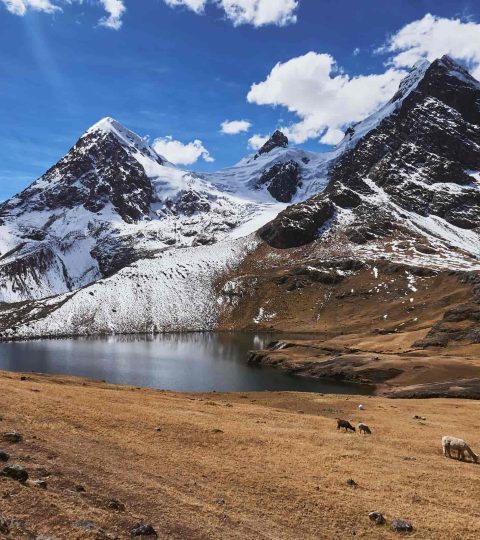
This activity focuses on exploring natural areas in the Andes near Cusco. Participants ride all-terrain vehicles through varied terrain to reach high-altitude spots. The journey includes stops at colorful geological formations shaped by mineral deposits. Local communities in the region maintain traditional herding practices with animals like llamas.
Travelers begin in Cusco and move south toward Pitumarca district. The path follows dirt tracks suitable for four-wheelers. Safety equipment gets provided before starting the ride. Guides explain handling techniques for the vehicles.
The experience lasts one full day, from early morning until late afternoon. Altitude reaches up to 5200 meters above sea level, which affects some people. Acclimatization in Cusco beforehand helps with this.
Peru Qantu Adventures operates this outing daily. Groups form with other participants or privately. Vehicles belong to the agency, driven by trained professionals familiar with mountain roads.
Expert guides lead the way, speaking multiple languages for international visitors. They share facts about Andean geography and customs during the trip.
A representative from Peru Qantu Adventures monitors the schedule throughout. This ensures smooth progress and quick responses to any needs.
Meals use fresh, local ingredients from nearby farms. Options include traditional dishes or international styles, though extras might cost more. Check with the reservations team for details.
Day 1: Cusco – Base – Vinincunca – Red Valley – Base – Cusco.
The activity begins between 4:00 a.m. and 5:00 a.m. with collection from your accommodation or the central plaza in Cusco. This timing gets set the previous day. Private transportation, owned by Peru Qantu Adventures and handled by skilled drivers, takes the group southward.
The drive lasts about 2 hours to Cusipata. There, everyone pauses for breakfast made from local organic products. After eating, the journey continues for another hour to the base in Japura, part of Pitumarca.
At the base around 8:00 a.m., guides provide instructions on operating the ATVs and safety measures. These experts, experienced in guiding global visitors in multiple languages, ensure understanding.
A 15-minute practice follows to confirm comfort with the vehicles, which are automatic or semi-automatic. No prior skills are needed, as supervision helps build confidence.
By 8:30 a.m., the ATV portion starts, lasting roughly 1 hour. Stops occur along the way to view local herders in traditional attire and animals like alpacas. Guides offer detailed facts about Andean traditions here.
The ride leads to Vinincunca first. From there, a short walk reaches the viewpoint at 5036 meters. The guide explains the mineral formations causing the colors, based on deep knowledge of the area.
Time allows for photos and videos. Then, a 45 to 60-minute hike descends to Red Valley. At the viewpoint, the guide describes the site’s features, highlighting geological aspects.
More free time follows for capturing images. The group returns via ATV to the base, where lunch awaits, prepared with natural local ingredients. International options are available; consult reservations for costs.
Finally, private transportation brings everyone back to Cusco by approximately 5:00 p.m. Throughout, a Peru Qantu Adventures representative monitors the progress.
Forget the hassle of mid-mountain currency drama. Every entrance booth only accepts crisp Peruvian soles, so hit the Cusco ATM the night before and stuff your pocket with 10s and 20s. Handing over exact change feels like tipping the Andes themselves—smooth, instant, and zero awkward “do you have change for a hundred?” moments.
Absolutely, if you love paperwork and plot twists. Locals rent ATVs for $25, but you’ll still need a signed permission slip from the community president, plus a prayer that your phone has signal when the trail forks into llama territory. Book with us and the only signature you need is on the sunrise selfie.
March and April are pure magic. The red river runs lipstick-red after the rains, Rainbow Mountain sheds its snow blanket, and the sky opens like a GoPro on steroids. You’ll ride through wildflower carpets while January’s snow ghosts are still snoring.
November to March turns the Andes into a slip-n-slide music video. Picture daily 2 p.m. showers that make the red clay glow but turn trails into chocolate pudding. Pack a poncho and a sense of humor—mud masks are free.
Zero. Your ATV is basically a four-wheeled golden retriever—automatic, eager, and impossible to hate. We give you a 15-minute playground session where you’ll go from “wait, which is the brake?” to “watch me drift this corner like Fast & Furious: Andes Edition.”
At 5,200 m, the air forgets you exist. Last week a marathon runner got dizzy; a grandma breezed through. Land in Cusco 48 hours early, drink water like it’s happy hour, and keep coca candies in your cheek like a chipmunk. Guides carry canned oxygen that turns headaches into high-fives.
You wake to a picnic blanket of champions: warm quinoa bread still steaming from the clay oven, tree-ripened avocados the size of softballs, passion-fruit slices that taste like summer, and coffee strong enough to wake a condor. Vegetarians get grilled oyster mushrooms that even carnivores steal.
Think “photo-walk” not boot-camp. Two gentle hours total—30 minutes to the first lookout, 20 minutes across a ridge that belongs on a postcard, and a victory lap around the red dunes. Sneakers are fine; your phone battery will quit before your legs do.
Kids 12+ are VIPs. They ride double with Mom or Dad on a quad built for two, helmets tiny but swagger huge. Last week 13-year-old Sofia beat everyone to the viewpoint and renamed the red hill “Mount Cotton-Candy.”
Our guides check three weather satellites before coffee. Light drizzle? Ponchos deploy, rainbows follow. Thunder apocalypse? We pivot to the secret Plan B canyon that looks like Mars had a paint fight. Full refund if lightning wins—no tears, just extra pisco money.
Nope—our fleet is freshly serviced, insured, and knows every pothole by name. Bringing your own is like bringing your own chair to a Michelin restaurant: sweet gesture, but the chef insists on his magic.
Four “pinch-me” pauses:
Grandma Rosa’s backyard feast: roasted beet quinotto that tastes like earthy risotto had a glow-up, purple-corn tamales stuffed with smoked jackfruit, and lucuma mousse that should be illegal. Meat-eaters get alpaca skewers; everyone fights over seconds.
English and Spanish flow like the red river. Need French? German? Japanese? Private tours unlock polyglot superheroes—last month Diego explained mineral oxidation in perfect Portuguese while handing out mate de coca.
Seven days is safe, seven weeks is stress-free. Peak season slots vanish faster than sunrise mist. Click tonight and we’ll reserve your quad, your vegan tamale, and the front-row sunrise seat before your tea gets cold.
Weather Patterns
In this Andean region, temperatures drop to near freezing at dawn, warming to 15 degrees Celsius by midday. Winds pick up at higher spots. I once got caught in a sudden hailstorm in May, so layers help.
Year-Round Dressing
Wear breathable shirts and pants year-round. Add a fleece for mornings, waterproof jacket for rain. Sturdy boots handle dirt paths. In summer (December to March), lighter fabrics suffice; winter (June to August) needs gloves and hats.
Local People and Culture
Folks here are herders, speaking Quechua alongside Spanish. They wear colorful woven clothes. Interactions feel welcoming; a simple greeting in Quechua like “allillanchu” builds rapport. I’ve shared tea with families during breaks.
Typical Foods
Meals feature potatoes, quinoa, and corn from local fields. Try cuy if adventurous, or vegetable stews. Foods come fresh, often grilled over open fires. For international, cafes in Cusco offer pasta, but expect 20 soles extra.
Cheap Eating Spots
In Cusipata, street vendors sell empanadas for 5 soles. Markets in Pitumarca have fresh cheese and bread under 10 soles. Avoid tourist traps; locals point to family-run spots with home-cooked options.
Free Places to Visit
Wander Cusco’s plazas without fees, like San Blas for views. Nearby streams in southern valleys allow picnics at no cost. Community paths near bases offer short walks to see wildlife.
Physical Effort and Health Needs
The tour requires moderate fitness for 1-hour rides and 1-hour hikes. Elevation demands good heart health; those with issues should consult doctors. Walk slowly to adjust. Stats show 10% experience mild symptoms, eased by coca tea.
| Month | Average Temp (°C) | Rain Days | Tips |
| Jan | 12 | 18 | Pack rain gear; paths muddy. |
| Apr | 14 | 8 | Ideal for clear views. |
| Jul | 10 | 2 | Cold nights; extra layers. |
| Oct | 15 | 10 | Moderate weather; less crowds. |
Anecdote: On my first trip, forgetting water led to fatigue at 5000 meters. Now I always carry 2 liters. Rest often if new to heights.
Important
Get Ready to Explore? With your booking confirmed, all that's left to do is pack your bags and get ready to explore. Whether you're a seasoned traveler or embarking on your first journey, we'll be with you every step of the way.At Peru Qantu Adventures, we believe that every journey begins with a single step. So why wait? Start your adventure today and let the world be your guide.
Book fast and easy on our website and keep track of your reservation with our most advanced booking system, be updated on our discounts every week.
Cusco, the ancient capital of the Inca Empire, is one of the most popular destinations for adventure treks in South Amer
Read moreThe Inca Trail is a world-renowned hiking trail that leads to the iconic Machu Picchu in Peru. The trail is a combinatio
Read moreMachu Picchu is a stunning 15th-century Inca ruin located high in the Andes Mountains of Peru. It is considered one of t
Read more