Humantay Lake and Salkantay Mountain Trek 2 Days

2 Days
Altitud Maxima
4,215 m / 13,829 ft
Duracion del Tour
2 Days
Tamaño de Grupo
Up to 10 people
Nivel Fisico
Easy
Tipo de Tour
Adventure
Tipo de alojamiento
Camping & Lodges

Resumen

This two-day journey covers paths through high areas in the Andes. Participants move on foot to reach two lakes near large mountains. The group size stays small, with no more than 8 individuals. The walk requires moderate physical condition. The highest spot reached measures 4650 meters above sea level. Private transportation handles travel to and from the starting point.

People join this activity to see natural features in a short time frame. The route includes stops at local communities not often visited. These places show daily life in the region. Travelers get close to glacier areas. Camping happens in one location during the trip.

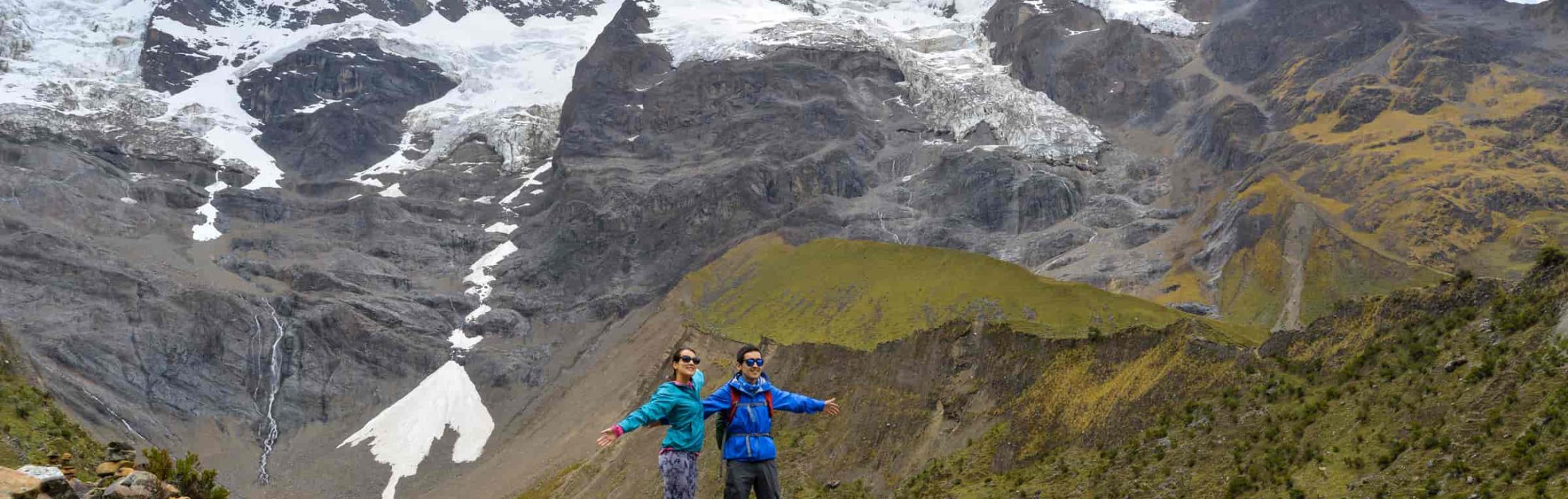
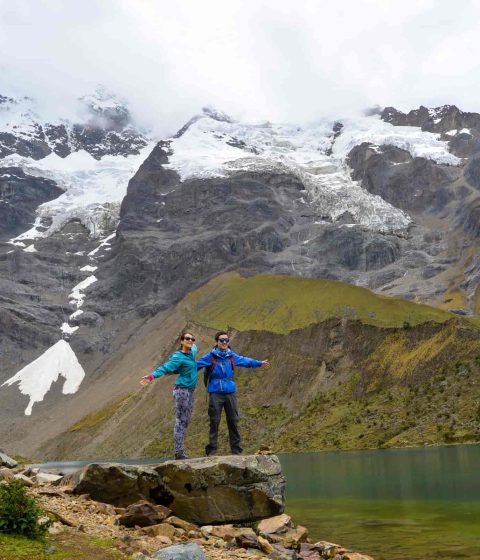
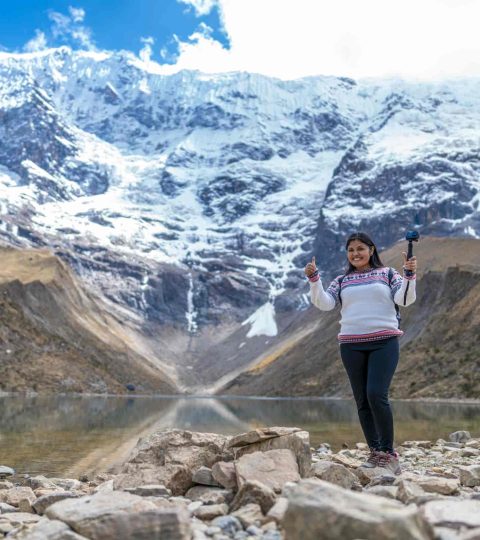
The path leads to Humantay Lake first. This body of water sits near a mountain with ice. Views include surrounding peaks. After that, the group heads to a camping area. Tents provide shelter for the night.

On the second day, the hike continues to a high pass. From there, several mountains become visible. A side path takes the group to Salkantay Lake. This spot offers a different view of the area. The return follows the same way back.

Peru Qantu Adventures handles all parts of this trek. Our private transportation belongs to the agency. Drivers receive high training for safe travel on these roads. Guides speak multiple languages and direct visitors from various countries.

A representative from our team monitors the entire schedule. This ensures smooth progress. Explanations come from guides familiar with these paths. They share details about each site visited.

Foods served use ingredients from nearby sources. Many come from organic local farms. Options include dishes from other countries if requested. Extra charges might apply based on the choice. Contact our booking staff for details.

2 Days

Lo mas destacado

  • Small groups ensure close guidance, unlike larger tours from other agencies that might feel crowded.
  • Private transportation from Peru Qantu Adventures offers comfort, setting it apart from shared rides in competing options.
  • Camping setup includes quality tents for two per unit, better than basic shelters in similar trips.
  • Side path to Salkantay Lake adds a unique detour, not always included in standard routes by others.
  • Guides provide in-depth talks on Andean features, more detailed than brief overviews in rival tours.
  • Meals feature organic local foods with international choices, an edge over plain menus elsewhere.
  • Monitoring by a representative throughout, a service that enhances safety beyond what many agencies offer.

Detalles del Tour

  • Duration: 2 days and 1 night, starting early on day one and ending in the evening on day two.
  • Difficulty Level: Moderate, with some sections that demand steady walking on uneven ground.
  • Maximum Altitude: 4650 meters, where air gets thinner and requires slow movement to adjust.
  • Group Size: Up to 8 people, allowing for personal attention from the guide during the hike.
  • Transportation Type: Private transportation owned by Peru Qantu Adventures, driven by skilled operators trained for mountain conditions.
  • Starting Point: Pickup from your hotel in Cusco, using our agency’s vehicles for the drive to the trailhead.
  • Meals Provided: Lunch, afternoon tea, dinner on day one; breakfast and lunch on day two, all prepared with fresh local items.

Resumen del Itinerario

Day 1: Cusco – Soraypampa – Humantay Lake – Soyroccocha

  • 5:00 a.m.: Pickup from your hotel in Cusco.
  • 5:00 a.m. to 8:30 a.m.: Drive in private transportation to Soraypampa, passing Iscuchaca and Limatambo.
  • 8:30 a.m.: Snacks at trailhead.
  • 8:30 a.m. to 9:30 a.m.: Hike to Humantay Lake.
  • 9:30 a.m. to 10:30 a.m.: Time at the lake.
  • 10:30 a.m. to 12:30 p.m.: Hike back to Soraypampa and on to Soyroccocha campsite.
  • Afternoon: Hot drinks, appetizers, dinner at camp.

Day 2: Soyroccocha – Salkantay Pass – Glacial lake – Cusco

  • Morning: Breakfast at camp.
  • 1 hour after breakfast: Reach highest point at 4650 meters.
  • After high point: Time to view mountains.
  • 30 minutes side route: Visit Salkantay Lake.
  • After lake: Hike back to trailhead.
  • Lunch at trailhead.
  • Afternoon drive: Return to Cusco, arrive around 6:00 p.m.

Itinerario

DAY 1:

Cusco – Soraypampa – Humantay Lake – Soyroccocha

The tour starts with pickup from your hotel in Cusco at 5:00 a.m. Our private transportation, owned by Peru Qantu Adventures and operated by highly trained drivers, takes you on a 3.5-hour drive to Soraypampa. During this ride, you pass through local communities like Iscuchaca and Limatambo. These areas show traditional Andean living. You also see valleys and the peak of Salkantay Mountain.

At Soraypampa trailhead, have snacks while looking at glaciers on Humantay (5900 meters) and Salkantay (6217 meters). Then, put on hiking gear for a 1-hour walk to Humantay Lake. The path goes up steadily. Our guide, an expert in these routes with experience leading international groups in several languages, explains features along the way.

Once at Humantay Lake, spend time walking around it. Observe the water and nearby mountains. This stop lasts about 1 hour. Then, return to Soraypampa and continue hiking for 2 hours to Soyroccocha campsite. Tents are ready upon arrival. Enjoy hot drinks and appetizers before dinner. Meals use natural local organic ingredients. International options available; check with our reservations team for possible extra costs.

Go to sleep early to prepare for the next day. The camp provides a quiet spot amid the mountains. A representative from our agency follows your progress at all times.

After breakfast at camp, made with fresh local items, start a moderate climb. In about 1 hour, reach the trek’s highest point at 4650 meters. Relax there and look at Salkantay (6217 meters), Humantay, and Huayanay peaks. See rivers with minerals and small lakes. Our local guide, with wide experience on this path, gives detailed explanations about these natural elements.

From the main path, take a 30-minute side route to Salkantay Lake. This spot shows turquoise water in a panoramic setting. Spend time there before hiking back the same way to the trailhead. Have lunch at Soraypampa, prepared with organic regional foods. International dishes possible with added fees; consult our booking staff.

Take photos of the mountains. Then, board our private transportation for the return to Cusco. Arrive at your hotel around 6:00 p.m. A team member monitors the full itinerary.

Inclusions

Incluye

  • Pickup at your hotel the morning of your trek: This service starts the day early, ensuring you leave on time without extra effort to reach a meeting point.
  • Private transport from Cusco to Soraypampa trailhead and back to Cusco: Our agency’s own vehicles, driven by capable staff, make the 3.5-hour trip safe and direct.
  • English speaking, experienced professional guide: This person knows the area well, speaks multiple languages, and leads groups from around the world with detailed site explanations.
  • Comfortable tents with two people in a four-person tent: These provide space and protection, set up in advance at the campsite for your arrival.
  • Foam mattresses and pillows: Included for better rest on the ground, helping you sleep despite the outdoor setting.
  • Meals as indicated in the itinerary (optional vegetarian food with prior request): Covers lunch, tea, dinner on day one; breakfast, lunch on day two, using local organic items to suit dietary needs.
  • All camping equipment such as: dining tent, table, chairs, kitchen and toilet tent: These items create a functional camp area for eating and basic needs.
  • Separate tent for our staff to sleep in: Ensures privacy and organization at the campsite.
  • First Aid kit including emergency oxygen bottle: Ready for health issues at high altitudes, with staff trained to use it.
  • Pack horses (for equipment and personal items) including horsemen: They carry up to 7 kilograms of your gear, freeing you to walk lightly.
  • 7 kgs of your personal items such as extra clothes, sleeping pad and sleeping bag will be carried by our packhorses (count 3kg for sleeping bag and sleeping pad, leaving 4kg for personal items): This allowance helps manage what you bring without overload.
  • Boiled water for drinking and washing purposes: Provided after the first lunch to keep you hydrated safely.
  • Plastic poncho and daypack rain cover: Protects you and your bag from sudden weather changes common in the Andes.

no Inluido

  • Sleeping bag adequate for temperature of -5°C $20 USD: Rent one if needed for cold nights; it keeps you warm in low temperatures.
  • Air Mattresses $20 USD: Optional for extra comfort on the ground beyond the foam mat.
  • Trekking Poles $15 USD: Helpful for balance on uneven paths; can be rented per pair.
  • Additional horses for extra personal luggage above that of the personal 7kg allowance: If you have more gear, pay for extra carrying support.
  • Tips for the crew, guide, cook and porters of Peru Qantu Adventures: Optional gratuity for the team’s work.

Que llevar al tour

  • Original passport (it has to be the same you have used for booking your trek): Required for identification at checkpoints; keep it secure in your daypack.
  • Valid University card (if you booked as a student): Shows eligibility for any discounts; carry it if applicable.
  • Good daypack (the smaller, the better): Use for daily items like water and snacks; 30-40 liters works well.
  • Water storage: 2-3L (reusable, not disposable bottles): Bring your own until lunch on day one; refills provided after.
  • Comfortable hiking boots with ankle support: Essential for rough terrain; break them in before the trip.
  • Sleeping bag (can be rented from Peru Qantu Adventures): Needed for the night; rated for -15°C or rent ours.
  • Headlamp: essential: For camp at night; include extra batteries.
  • Toilet paper: For personal use; pack out waste in a bag.

What to Put in Your Duffel Bag

  • 1 t-shirts: For changing after a sweaty day; lightweight material dries fast.
  • 1 hiking pants at least: Durable for the trail; quick-dry fabric helps.
  • 2 sets of undergarments: Keep fresh; moisture-wicking types are best.
  • 2 sets of hiking socks: Cushioned to prevent blisters; wool blend for warmth.
  • 2 fleece/ thermals, depending on the season: Layers for varying temperatures; adjust based on time of year.
  • Warm clothes, down jacket — depending on the season: Insulates against cold; pack if cooler months.
  • Warm gloves: Protect hands at high altitudes; wool or synthetic.
  • Comfortable shoes for camp: To relax feet after hiking; slippers or sneakers.
  • Quickdry towel. We provide small ones, you might prefer something larger: For washing; microfiber dries quickly.
  • Small bottle of soap: we provide warm water each day to wash: Personal size for hygiene; biodegradable preferred.
  • Battery Charger: No electricity along the trek: Power bank for devices; charge before leaving.
  • Large plastic bags will be provided at the office to line your duffel: Keeps contents dry; use for organization.
  • Sleeping bag: It has to be at least -15ºC – This can be rented from us: Ensures warmth; check rating.

Toiletries

  • Face moisturizer: For dry air at altitude; small tube suffices.
  • Hand sanitizer: Quick clean without water; alcohol-based.
  • Wet wipes: For freshening up; biodegradable ones.
  • Toothbrush and paste: Daily oral care; travel size.
  • Personal medications: Any needed pills; include altitude ones.
  • First aid kit: band aids, moleskin, etc.: For minor injuries; add blister care.

What to Put in Your Backpack

  • Water: Please supply your own water until the first lunch spot, then we will provide you with cold boiled water at every meal time. Please bring your canteens: Start with 2-3 liters; refills safe.
  • Sun hat: Shades face from strong sun; wide brim.
  • Sunscreen: High SPF for UV exposure; reapply often.
  • Headlamp: essential: Night use; with batteries.
  • Wool hat: For cold mornings; warm material.
  • Rain gear: Jacket or poncho; weather changes fast.
  • Fleece: Layer for chill; lightweight.
  • Snacks like chocolate bars, cereal bars or any dry fruits: Energy boost; personal favorites.
  • Rain plastic poncho: Extra rain protection; lightweight.
  • Gloves: Hand warmth; thin or thick as needed.
  • Camera: Capture views; with charger.
  • Hand sanitizer: Hygiene on trail; small bottle.
  • Toilet paper and small plastic bag for waste: Pack out; responsible.
  • Extra money for souvenirs, drinks & tips: Cash for extras; small bills.

What is the best time of year for the Salkantay Trek to Machu Picchu?

May–September (dry season) is pure magic: zero rain, rock-solid trails, and 360° views of 6,000 m glaciers glowing pink at sunrise. Nights hit -5 °C, but the sky is so clear you’ll count shooting stars from your tent. Book 60–90 days ahead—permits vanish faster than the morning mist. October–April = emerald jungle but daily showers and mud up to your ankles. Pack accordingly!

How difficult is the actual hiking—can a normal person do it?

Think moderate-challenging, not extreme. 4 days, 6–7 h walking, 10–12 km each. Day 2 climbs 900 m to the 4,650 m Salkantay Pass—your lungs will notice! Start 4 weeks early: walk 45 min daily + one weekend hill session with a 5 kg backpack. Anyone who jogs or plays soccer twice a week sails through. Knee braces or asthma? Doctor’s note first.

What if I’m vegan, celiac or deathly allergic to peanuts?

Zero drama, zero extra cost. Email your restrictions → our chef sends a 4-day menu (quinoa risotto, kiwi-chia pudding, lentil stew). We shop Cusco’s organic market at 4 a.m. Severe allergy? We carry an EpiPen and train the crew. Want oat-milk lattes in the Andes? +$12/day upgrade.

How cold does it REALLY get inside the tent?

-5 °C at 3,900 m camp—your water bottle freezes overnight. We issue -10 °C mummy bags + fleece liners, but bring wool socks and a puffy jacket for midnight bathroom runs. Hot-water bottle tucked in at turndown = free luxury.

Is altitude sickness going to ruin my trip?

30 % feel it; 3 % need help. Fix: land in Cusco 48–72 h early, sip 3 L water daily, chew coca candies. Guides check your oxygen with a finger gadget every afternoon. Drop below 85 %? Horse + oxygen tank whisk you down 600 m in 40 min. Zero hospital visits last season.

What wildlife will make me grab my camera?

Wake to condors riding thermals 20 m overhead. Herds of llamas pose like runway models. Tiny vizcacha bunnies sunbathe on rocks. Hummingbirds sip from orchid camps. No bears, no snakes—just pure postcard moments.

How many people will be in my group?

Maximum 8 adventurers + 1 English-fluent guide + 1 assistant. Private bubble for 2? Just say the word. Small = you’ll learn every Inca secret, swap life stories around the campfire, and never wait for 30 strangers at a photo stop.

What happens if it pours rain non-stop?

Day 1 ponchos + pack covers handed out like candy. Trails turn to chocolate pudding—gaiters save the day. Guides carry satellite weather; if lightning cracks, we duck into a tambo (stone hut) for hot chocolate. Heavy storm? We flip day 2 & 3—no cancellations, just smarter routing.

Where do I pee and poop for 4 days?

Luxury toilet tent with porcelain throne, sink, and fairy lights at every camp. On trail: “bio-breaks” behind boulder with panoramic views—guide holds umbrella for privacy. Pack-out system; nothing left behind.

How do I train without a mountain in my backyard?

4-week plan: Week 1–2 → 5 km brisk walk daily. Week 3 → add stairs (10 flights x 3). Week 4 → 8 km with backpack + hills. Download “Workout for Hikers” app—free. Stretch calves nightly to dodge day-3 cramps.

What currency for tipping the crew who carry my world?

Crisp US dollars or Peruvian soles. Guide $10–15/day, cook $8, porters $6 each (cash envelope given at farewell). ATM at Cusco airport spits small bills.

Is the water safe or will I live on Coca-Cola?

Unlimited boiled + UV-treated water from lunch day 1. Fill your 1 L bottle 4 times daily. Streams look tempting—don’t. One sip = bathroom regret at 4,000 m.

Which views will make my jaw drop?

  • Salkantay Pass: 360° glacier circus at sunrise.
  • Humantay Lake: neon turquoise framed by ice walls.
  • Cloud-forest coffee plantation: waterfalls crash beside your lunch table.
  • Machu Picchu reveal: mist parts at the Sun Gate—goosebumps guaranteed.

How long is the drive from Cusco to the trailhead?

3.5 h in a Mercedes Sprinter with reclining seats and Wi-Fi. Leave 5:30 a.m., stop for Inka-Cola and empanadas. Return day 4: same van, same driver, hotel drop-off by 6 p.m.—shower and pisco sour await.

What’s the cancellation policy—life happens!

  • 45+ days: 100 % refund.
  • 20–44 days: lose deposit, get future credit.
  • <20 days: 50 % fee. Buy “cancel-for-any-reason” insurance ($49) the minute you book—we email the link.

Weather Conditions

In this Andean area, days stay mild around 15-20°C, but nights fall to 0°C or below. Rain happens more from November to April, with dry times in other months. Check forecasts daily. I once got caught in a sudden shower, but a poncho saved the day. Layers work best for changes.

Year-Round Dressing

Wear breathable shirts and pants for walking. Add a fleece for cool spots. In wet season, waterproof jacket essential. All year, hat and gloves for mornings. Boots with grip handle mud. Avoid cotton; synthetics dry faster. Stats show 70% of discomfort comes from wrong clothes.

Local People and Culture

Folks here live simply, farming potatoes and quinoa. They speak Quechua often, with some Spanish. Friendly but reserved; smile and greet. In villages like Limatambo, buy handmade textiles cheap. People value respect for land. An anecdote: a farmer shared tea once, showing their hospitality.

Typical Food

Meals include trout from lakes or alpaca meat. Quinoa soups warm you. Eat at camp or local spots. Cheap options in Cusco markets cost $5-10. Try guinea pig if curious. Organic veggies common. For health, wash hands; 80% of issues from poor hygiene.

Where to Eat Cheap

In Cusco, street vendors sell empanadas for $2. Markets offer fresh fruit. Avoid tourist traps; locals eat at simple places. Comparison: fancy restaurants charge triple. Pack nuts for trail energy.

Free Places to Visit

Walk Cusco plazas without cost. See stone walls from Inca times. Nearby hills for views. No fee for village paths. Stats: 50% of travelers skip paid sites for these. Enjoy without crowds.

Physical Effort and Health Needs

The hike covers 10-12 kilometers daily, with climbs. Moderate fitness required; heart rate rises at altitude. No major health problems allowed. Drink 3 liters water daily. Anecdote: I felt tired first day but adjusted. Doctor check before if over 50.

SeasonAverage Day Temp (°C)Night Temp (°C)Rain Chance (%)
Dry (May-Sep)18220
Wet (Nov-Apr)16-260

Contactar ahora

Get Ready to Explore? With your booking confirmed, all that's left to do is pack your bags and get ready to explore. Whether you're a seasoned traveler or embarking on your first journey, we'll be with you every step of the way.At Peru Qantu Adventures, we believe that every journey begins with a single step. So why wait? Start your adventure today and let the world be your guide.

Blank Form (#3)

For how many persons are you currently booking?

CONTACT US ON WHATSAPP
+51 973 552 912
We are highly recommended in

BOOKING FAST & EASY

Book fast and easy on our website and keep track of your reservation with our most advanced booking system, be updated on our discounts every week.

Why to Choose Peru Qantu Adventures

Best Food on the Treks

Cusco, the ancient capital of the Inca Empire, is one of the most popular destinations for adventure treks in South Amer

Read more

Peruvian Local Guides

The Inca Trail is a world-renowned hiking trail that leads to the iconic Machu Picchu in Peru. The trail is a combinatio

Read more

Best Itineraries

Machu Picchu is a stunning 15th-century Inca ruin located high in the Andes Mountains of Peru. It is considered one of t

Read more