The Sacred Valley of the Incas offers a full day of exploration in the Cusco area. This experience covers historical locations from the Inca period. Travelers see how ancient people lived through their buildings and land use.
In this tour, participants move through different spots that show Inca engineering. The path follows the Vilcanota River at times. Each place provides insights into daily life back then.
Peru Qantu Adventures handles all parts of the trip with care. Our team ensures smooth movement between locations. We focus on sharing accurate facts about the sites.
The journey starts in the morning from Cusco. It ends back there in the evening. This setup allows enough time to cover main areas without rush.
Guides from Peru Qantu Adventures speak multiple languages. They lead groups from various countries. Their knowledge helps explain Inca practices clearly.
Private transportation belongs to our agency. Drivers receive thorough training for safe travel. This keeps the focus on learning.
A meal is part of the day in Urubamba. It uses fresh items from nearby farms. Options include local dishes or other types if requested.
One representative from Peru Qantu Adventures monitors your schedule throughout. This support addresses any needs quickly.
Day 1: Full Day Exploration
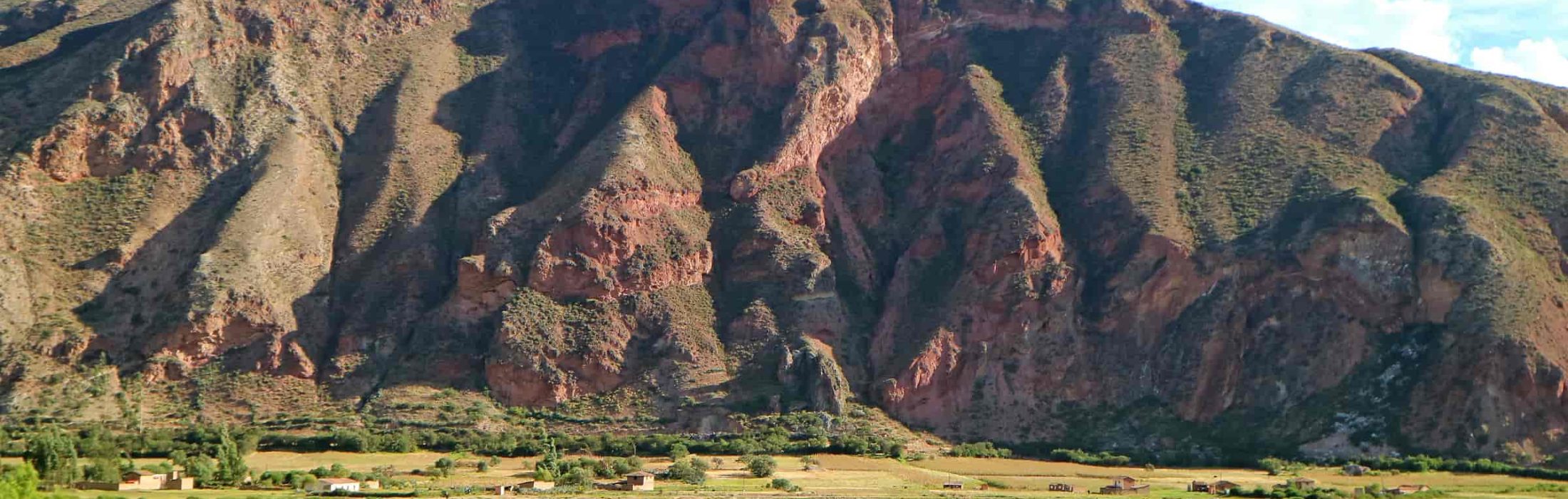
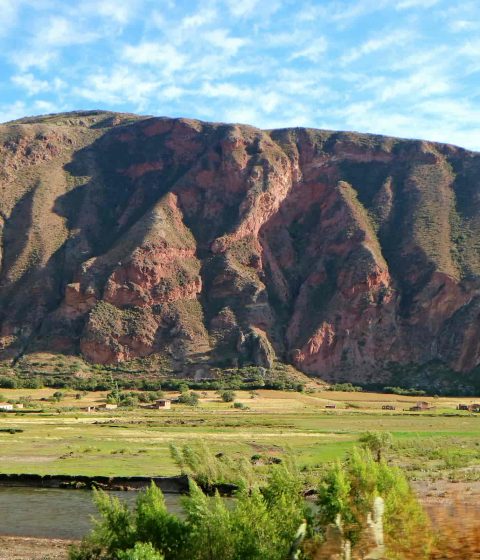
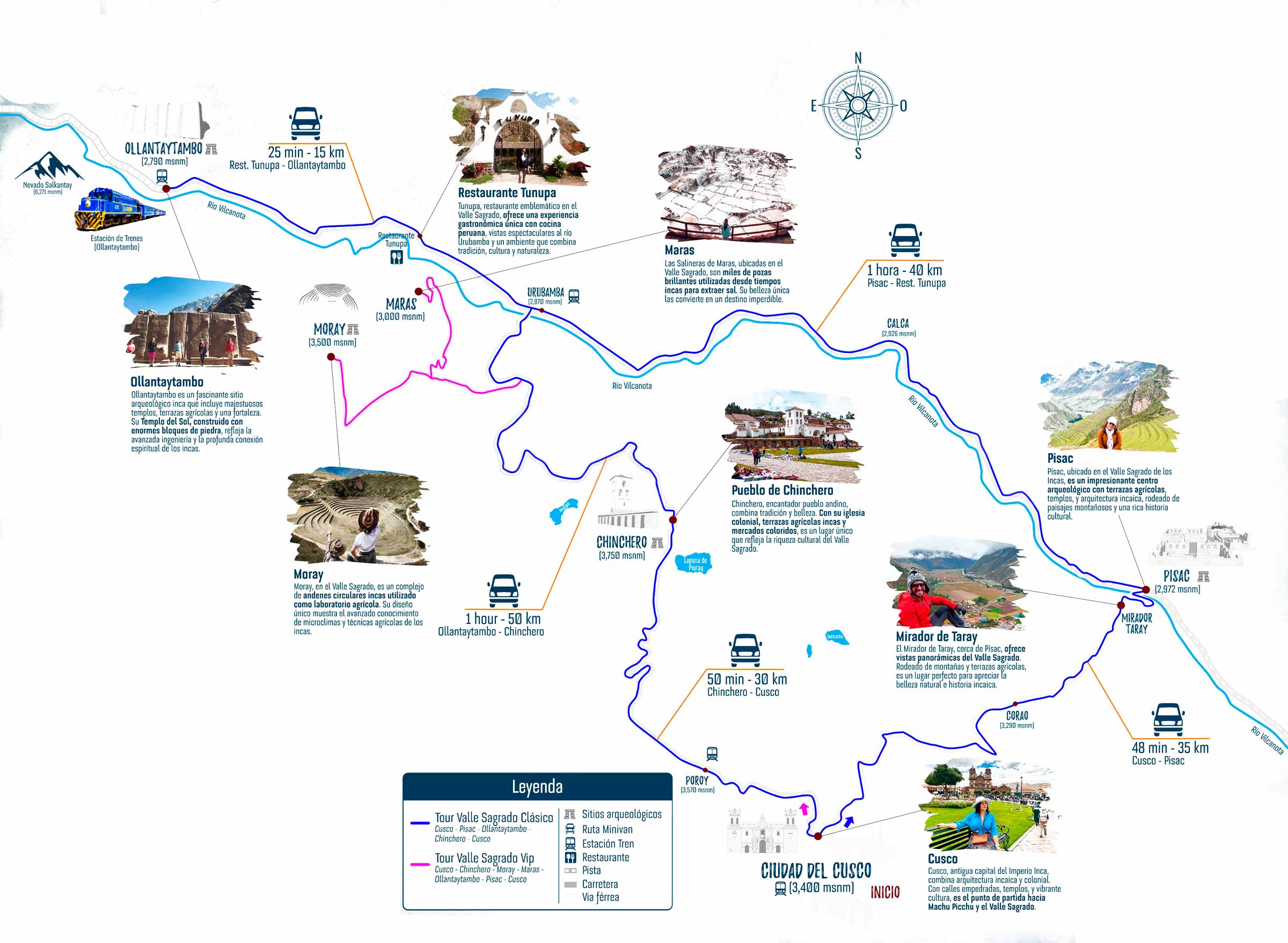
The tour begins at 07:30 a.m. with pickup from your hotel in Cusco. Our private transportation, owned by Peru Qantu Adventures and driven by highly trained staff, takes you toward the Sacred Valley. Along the way, stops occur at viewpoints overlooking the Vilcanota River and surrounding areas. This gives a broad view of the landscape.
Upon reaching the archaeological site of Chinchero, our expert guides, fluent in several languages and experienced with global travelers, offer detailed explanations. They cover the Inca palace foundations under the colonial church. This shows cultural layers from past eras. Visitors learn about religious spaces and their roles.
Next, a stop at local textile centers in Chinchero follows. Here, artisans demonstrate traditional dyeing with natural products for wool from llamas or alpacas. Guides describe techniques passed down through families since Inca times. This adds depth to understanding Andean traditions.
Then, private transportation moves the group to the archaeological site of Ollantaytambo. Named after an Inca leader known for a story involving a princess, this place holds large stone structures. Some weigh around 45 tons, made from pink rock. Our guides explain religious areas, water systems, and rest spots used by travelers long ago.
After that, the trip continues to Urubamba along the Vilcanota River banks. At a restaurant there, enjoy a buffet lunch. It includes dishes from Peruvian cuisine, prepared with natural, organic local ingredients. For international options, extra fees may apply—check with our reservations team. This break refreshes everyone.
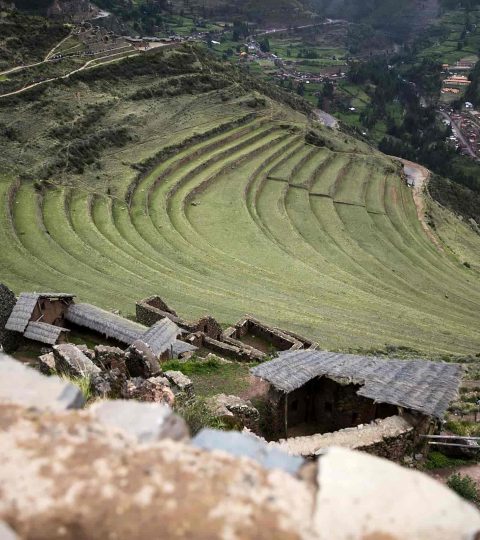
Following lunch, head to the archaeological site of Pisac on the mountain. Guides provide in-depth talks on Inca neighborhoods, burial areas, terraces, and their purposes. The location offers views of farming systems. Our team knows these routes extensively for clear insights.
Descending to the Pisac district, visit the handicraft market. See items crafted using Andean metalworking methods. This short stop allows time to observe local goods. Finally, return to Cusco via private transportation, arriving around 07:00 p.m. in the city center. One of our representatives tracks your itinerary at all times.
Imagine stepping onto Pisac’s silver terraces while the morning sun paints everything gold and the only clouds are the ones you’re walking above. That’s May to October—dry-season heaven. Trails stay firm under your sneakers, Ollantaytambo’s cobblestones don’t try to ice-skate you into the river, and the Sacred Valley stretches out like a 4K screensaver. November–April? Think Irish-green explosion plus surprise 2 p.m. showers—still gorgeous, just pack a poncho and a love for rainbows.
Picture a relaxed treasure hunt, not boot camp. Two easy hours of strolling—15 minutes across Pisac’s plaza, 20 minutes circling Moray’s cosmic bowls, 25 minutes tracing Maras’ salty rivers. The only “climb” is 30 gentle steps at Pisac (we pause halfway for llama selfies). If you can walk your dog around the block without drama, you’ll float. Heart or knee worries? Doctor’s note + our walking poles = zero stress.
Tell us “vegan,” “celiac,” or “only eats purple food” and the buffet morphs like a Harry Potter feast. Quinoa sushi rolls appear, potato pizzas materialize, grilled king oyster mushrooms steal the show—all free. Craving pad thai at 3,500 m? $10 extra and the chef channels Bangkok.
The ticket booth lady turns into a gentle bouncer: no passport, no playground. Last month a forgetful Aussie waved his phone copy and sweet-talked his way in, but the official rule is original or bust. Slip it into your daypack the night before—consider it your golden ticket to Inca VIP.
Last week 7-year-old Luna high-fived a Chinchero weaver and declared herself “Princess of the Terraces.” Under 10 enter free, under 11 pay half, and every guide keeps a secret stash of animal stickers. Bring fruit snacks for the van—tiny legs, big energy, zero meltdowns.
Ten to twenty new best friends—big enough for spontaneous karaoke on the ride back, small enough that the guide still remembers your dog’s name. You’ll swap Instagram handles over quinoa and start a group chat titled “Sacred Valley Squad 2025.”
The sky opens, the ponchos deploy, and suddenly you’re in a National Geographic shoot. Rain turns the salt pans into mirrors and makes the Pisac terraces glow emerald. Guides slow the pace, hand you a walking pole, and turn every puddle into a photography lesson. Thunder? We duck into a covered Inca hallway for hot coca tea and stories—zero sites skipped, 100 % memories upgraded.
Pisac’s market explodes in color—baby-alpaca scarves softer than clouds, silver earrings shaped like chakanas, ceramic flutes that actually play. Chinchero ladies demonstrate backstrap looms while you sip free chicha. Stuff 200 soles in small bills into your pocket and you’ll leave with Christmas presents for the next three years.
Four eco-loos: Pisac ruins, Chinchero church, Maras salt pans, and the lunch spot. Some are porcelain thrones, some are “million-dollar view” squats. We hand you biodegradable wipes and a discreet “leave no trace” bag—zero surprises.
Fire off a WhatsApp rocket: “Family of 6, private please!” Our ninja reservations team replies in 3 minutes with a custom quote. Want sunrise hot-air balloon add-on? Done. Want to propose at Moray’s center? We’ve hidden rings in quinoa bowls before. Lunch not included? Add it for $15 pp and the chef packs champagne.
Cusco sits at 3,400 m; our highest stop kisses 3,700 m—basically the difference between “I’m fine” and “wow, oxygen is thin.” Land 48 hours early, drink water like it’s happy hour, and chew coca candies like gummy bears. Guides carry a pharmacy in their backpack and spot wobbly knees before you do.
Cameras are not just allowed—they’re encouraged. Flash off inside Moray’s sun temple, but everywhere else go wild. Guides become human tripods, whispering “turn 30 degrees left for the golden hour shot.” Just promise not to climb the walls—Inca stones have feelings too.
One day is the teaser trailer; we’ve got the full trilogy. Add an overnight in an Ollantaytambo boutique hotel with rooftop hot tub, or a sunrise hot-air balloon over the terraces. One email and we’ll stitch together your dream Cusco saga.
We wait 10 graceful minutes, then text you a llama emoji reminder. Oversleep apocalypse? Hop in a taxi to Pisac (30 minutes, $15) and we’ll fold you back into the group like nothing happened. Pro move: set two alarms and sleep in your clothes.
They were born within sight of Machu Picchu, certified as Wilderness First Responders, and can name every terrace layer in four languages. Last week Maria turned a flat tire into a 15-minute Inca astronomy class under the stars. Your secrets are safe, your photos legendary.
Weather Patterns
In the Sacred Valley, days stay mild year-round, with highs around 20 degrees Celsius in summer. Nights cool to 5 degrees. Dry season from May to September sees little rain, ideal for walks. Wet season November to March brings afternoon showers. I once got caught in a quick downpour at Pisac, but a poncho kept things fine.
Local People and Culture
Folks in Urubamba and Chinchero are welcoming, often in traditional clothing. They speak Quechua alongside Spanish. Expect polite interactions at markets—bargaining is common. A traveler shared how a weaver explained her patterns, connecting to family stories.
Typical Food
Meals feature potatoes, corn, and quinoa from local fields. Try cuy or trout in restaurants. For cheap eats, street vendors in Pisac offer empanadas for 5 soles. Organic produce dominates; ask for alpaca stew. International spots in Cusco serve pasta, but valley options stay simple.
| Dish Type | Local Example | Price Range (Soles) | Where to Find |
| Traditional | Quinoa soup | 10-15 | Urubamba eateries |
| Snack | Corn cakes | 3-5 | Markets |
| International | Pizza | 20-30 | Tourist cafes |
Free Places to Visit
Walk along Vilcanota River banks near Urubamba—no cost. Viewpoints on roads offer valley sights. In Chinchero, stroll plazas around the church. These spots let you absorb the area quietly, like watching farmers work fields.
Affordable Eating Spots
In Pisac market, stalls sell fresh bread and cheese for under 10 soles. Urubamba has family-run places with set menus at 15 soles. Avoid fancy tourist traps; locals point to reliable ones. One time, a 12-soles lunch included soup and rice—filling and genuine.
Dressing Year-Round
Layer clothes: base with t-shirts, add jackets for evenings. Long pants and closed shoes handle dirt paths. Hats and scarves protect from sun or wind. In rain, waterproof layers help. Comfort over style—I’ve worn hiking boots in July and stayed dry.
Physical Effort and Health Needs
The tour requires walking 2-4 kilometers on inclines, at high altitude. Moderate fitness suffices, but heart or lung conditions need doctor approval. Acclimate 2 days in Cusco. Carry altitude pills if prone to sickness. Stairs at Ollantaytambo challenge knees, so pace yourself. Stats show most visitors over 50 complete it without issues if prepared.
Get Ready to Explore? With your booking confirmed, all that's left to do is pack your bags and get ready to explore. Whether you're a seasoned traveler or embarking on your first journey, we'll be with you every step of the way.At Peru Qantu Adventures, we believe that every journey begins with a single step. So why wait? Start your adventure today and let the world be your guide.
Book fast and easy on our website and keep track of your reservation with our most advanced booking system, be updated on our discounts every week.
Cusco, the ancient capital of the Inca Empire, is one of the most popular destinations for adventure treks in South Amer
Read moreThe Inca Trail is a world-renowned hiking trail that leads to the iconic Machu Picchu in Peru. The trail is a combinatio
Read moreMachu Picchu is a stunning 15th-century Inca ruin located high in the Andes Mountains of Peru. It is considered one of t
Read more