From 1619 USD per person
This 9-day program covers main areas in Peru, with all main parts handled by Peru Qantu Adventures. It begins in Lima, moves to Nazca for aerial views, then to Cusco for local sites, includes Machu Picchu, and ends in Puno near Lake Titicaca. Travelers receive support from start to finish. Our own private transportation, driven by highly trained staff, ensures safe moves between locations. Guides, who speak several languages and have handled groups from many countries, provide in-depth talks on each spot.
Peru Qantu Adventures focuses on smooth experiences. A team member tracks your schedule throughout, ready to help if needed. For the train ride to Machu Picchu, you select between two providers: one offers basic service with standard seating, while the other provides added comfort like wider windows for better views. Meals use fresh items from nearby farms, often organic. If you prefer dishes from other countries, ask our booking group about extra fees based on the eating place.
The plan suits people interested in history and nature. Each stop includes time for guided walks with full details from our experienced leaders familiar with these paths. They share facts on Inca ways and Andean customs. Private transportation belongs to our group, keeping things consistent. Sometimes, I recall how visitors feel more at ease knowing someone watches their progress.
Details add to the feel of authenticity. For example, in Puno, interactions with island residents show daily habits tied to the lake. Our guides explain these in clear terms. The setup avoids rushes, giving space to absorb each area. Minor changes in weather might shift times slightly, but we adjust.
This differs from shorter trips by including more spots without feeling packed. Our focus on local elements, like traditional foods, sets it apart. Guides point out unique features, such as how ancient water systems work in certain sites. It’s straightforward, with no hidden parts.
Peru Qantu Adventures maintains high service levels. Trained drivers handle roads well, even in higher areas. The full coverage means less worry for you. One time, a traveler mentioned how the ongoing support made the whole thing relaxed.
Overall, the layout connects coastal, mountain, and lake zones. It provides a broad look at Peru’s varied lands and past. With our team’s input, each day builds on the last.
Day 1: Welcome To Peru – Lima
Day 2: Lima – Nazca Lines Tour
Day 3: Cusco — City And Surroundings
Day 4: Sacred Valley – Cusco – Pisac – Ollantaytambo
Day 5: Aguas Calientes – Machu Picchu – Cusco
Day 6: Maras – Moray Tour
Day 7: South Valley – Puno
Day 8: Uros – Taquile – Puno
Day 9: Juliaca – Lima
The tour starts with assistance at Jorge Chávez International Airport in Lima and a move to your chosen hotel using our own private transportation with a highly trained driver. In the afternoon, around 3:00 p.m., the team picks you up for a city tour lasting about 2.5 hours. It includes a panoramic look at Huaca Pucllana, a pre-Inca ceremonial area from the 4th century A.D., seen as a holy spot by later groups. Then, the Historic Center shows over 50 old buildings, like the Main Square, Archbishop’s Palace, Cathedral Basilica, and Municipal Palace. After that, visit the San Francisco Monumental Complex, noted for its large collection of old religious art and underground crypts called Catacombs. The day ends with a walk through current Lima areas, such as El Olivar in San Isidro, Miraflores, and Larcomar. A representative from Peru Qantu Adventures stays aware of your plan. Overnight in Lima.
Around 4:00 a.m., pickup from your hotel leads to Pisco and then the Nazca aerodrome via our own private transportation with a skilled driver. There, get a talk on the Nazca Lines, large drawings in the desert showing figures like spider, monkey, lizard, hummingbird, and condor. These measure from 15 to 300 meters, with about 30 centimeters depth. The flight lasts 25 minutes. Then, time for lunch in Nazca, using fresh local items. In the afternoon, return to your Lima hotel, arriving near 10:00 p.m. Our guides, experienced in multiple languages, explain the lines’ meanings tied to Andean beliefs. A team member monitors your day. Note: Flight may shift due to weather; pay about 12 USD tax on site. For the small plane ride, carry a camera; eat light to avoid unease. Overnight in Lima.
At a suitable time, transfer from your Lima hotel to the airport for the flight to Cusco using our private transportation. On arrival, a warm pickup and move to your hotel. After lunch, around 12:30 p.m., the city tour begins with Cusco Cathedral, a major temple made of three parts: Basilica, Triumph, and Holy Family, holding art from the Cusco School. Next, Qoricancha, an Inca sun worship site later changed by Spanish for teaching locals. It has precise stone walls and Catholic art. Then, nearby Inca sites: start with Tambomachay, focused on water rituals; Puka-Pukara, the red-toned stone structure; Qenqo, with its maze-like galleries and channels; Sacsayhuaman, called satisfied falcon, built with large stones as a sun house and religious center. End around 6:00 p.m. at Plaza de Armas. Guides provide full details on these Inca constructions. A representative tracks your itinerary. After, walk the square for crafts or food in a mild night chill. Overnight in Cusco.
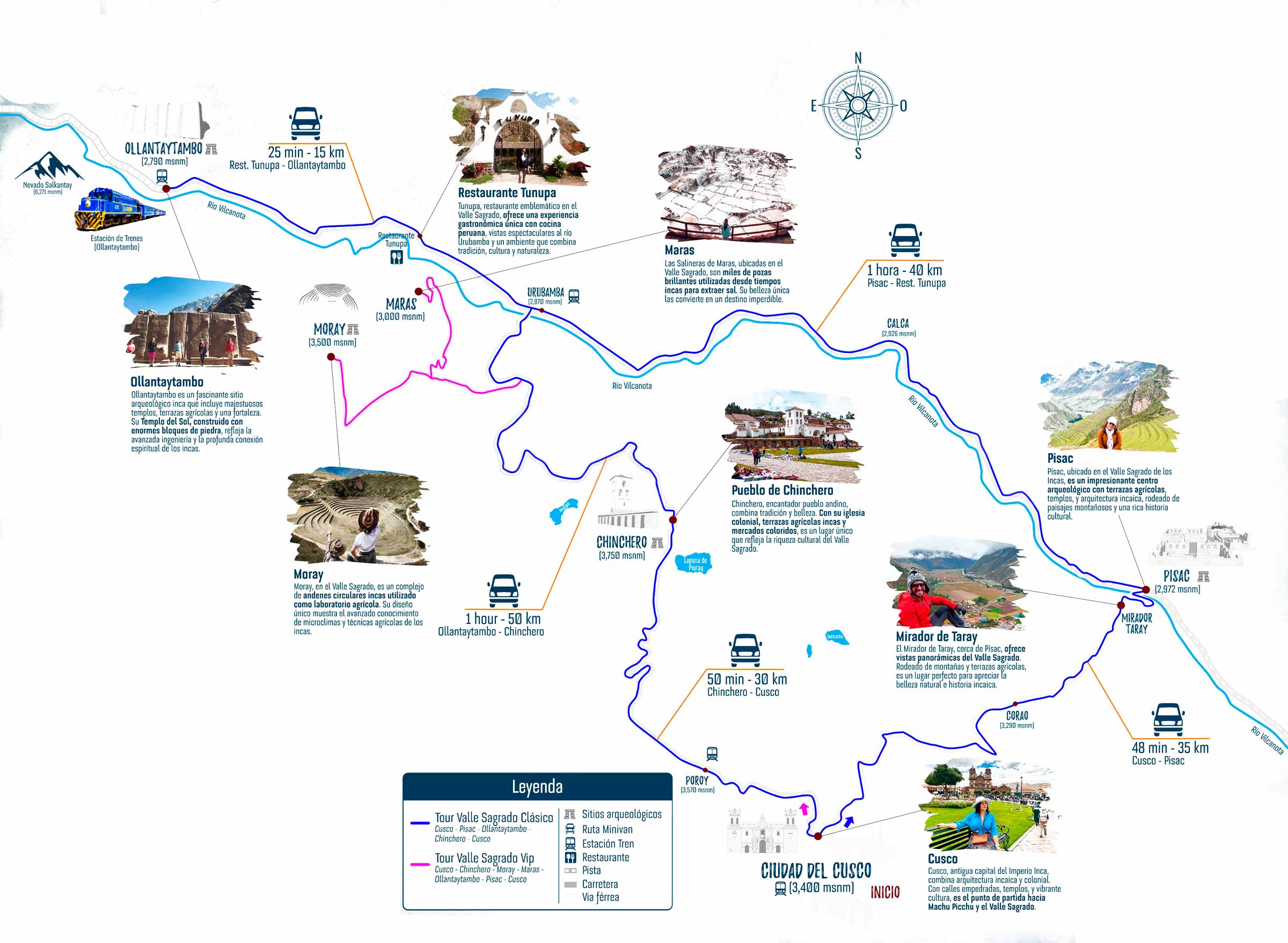
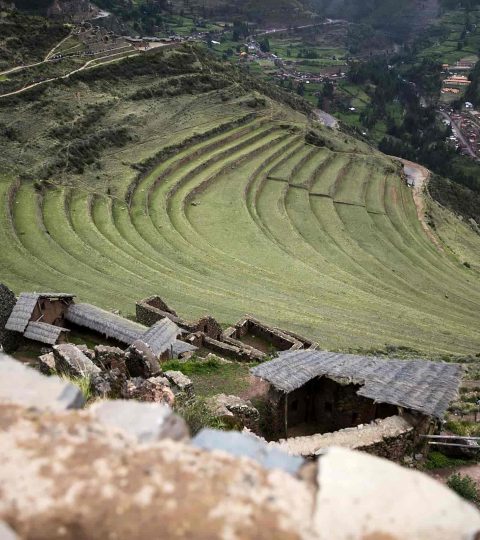
After breakfast, pickup at 7:30 a.m. from your hotel to Pisac Archaeological Site, 45 minutes from Cusco. It shows Inca building skills, likely a royal area under Pachacutec, with terraces, homes, ceremony spots, and water channels for farming. The market offers handmade items. At noon, go to Urubamba for a buffet lunch of Peruvian foods; this spot was an Inca farm hub, now known for top corn and fruits like peaches in rain times. Afternoon: Ollantaytambo fortress, an agricultural, religious, and star-watching center with storage for wind-preserved goods and stones aligned to the sun for valley control. It has layered terraces and big blocks on top. Then, board the train to Aguas Calientes for next day’s Machu Picchu visit; choose company—one basic, one with better sights. Our expert guides explain Andean geography. Private transportation is ours with trained drivers. A team watches your plan. Wear easy shoes for stairs; pack camera, hat, sun block, bug spray, water. Try empanadas in Pisac, corn in Urubamba. Overnight in Aguas Calientes.
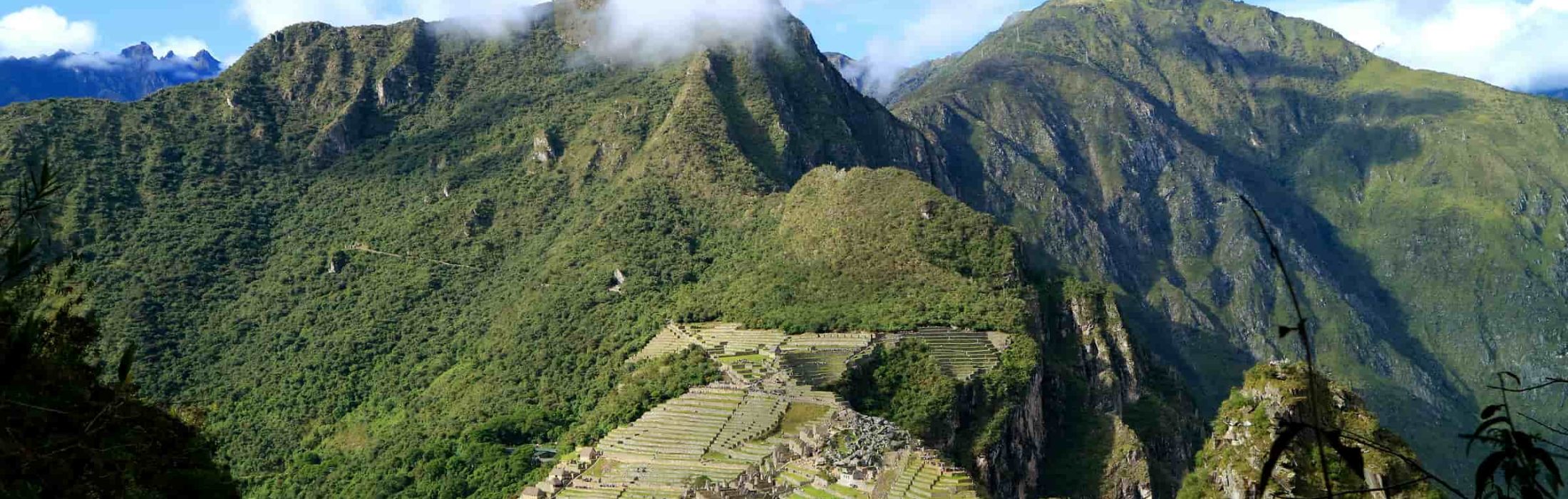
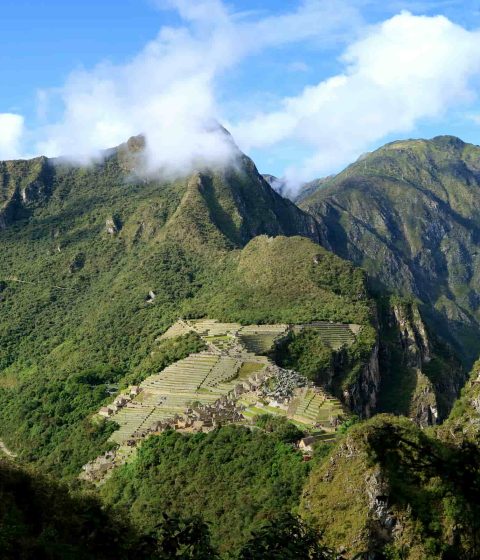
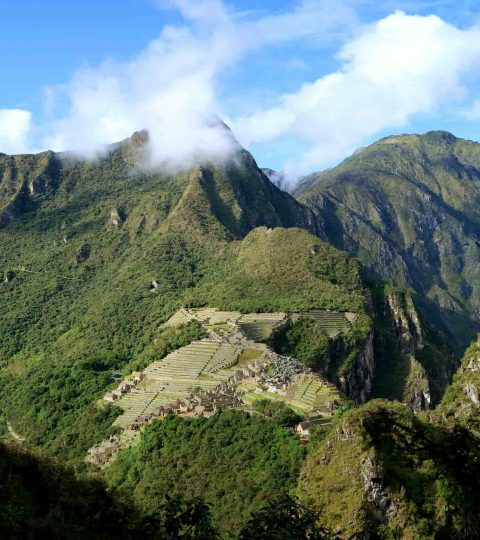
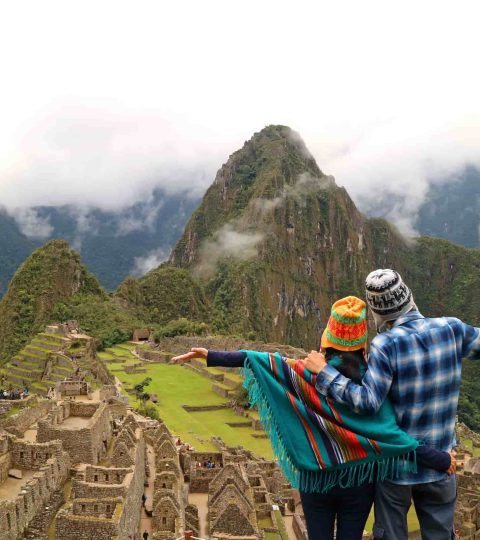
The day focuses on Machu Picchu, a major Inca site. Early transfer to the bus station for a 25-minute ride to the sanctuary. Feel the area’s energy, mild weather, and calm on entry. See green terraces, stone builds, Inca areas, and temples. The place was a key religious, political, cultural hub in the empire, with tight-joined large stones. The 2-hour tour has our guide sharing history and answering queries, with wide route knowledge in languages. After, bus to Aguas Calientes for hot springs or town stroll. Then, train back to Ollantaytambo (schedules approx., may vary by availability), transfer to Cusco hotel via our private transportation. A representative monitors. Arrive train station 30 minutes early; easy shoes for stairs; pack camera, hat, sun block, bug spray, water. Soak in baths after. Overnight in Cusco.
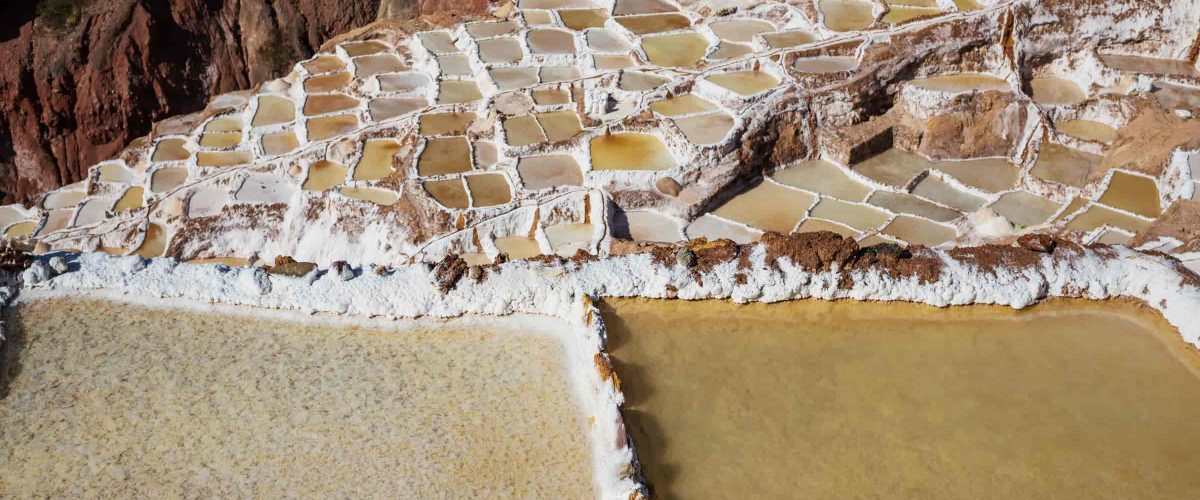
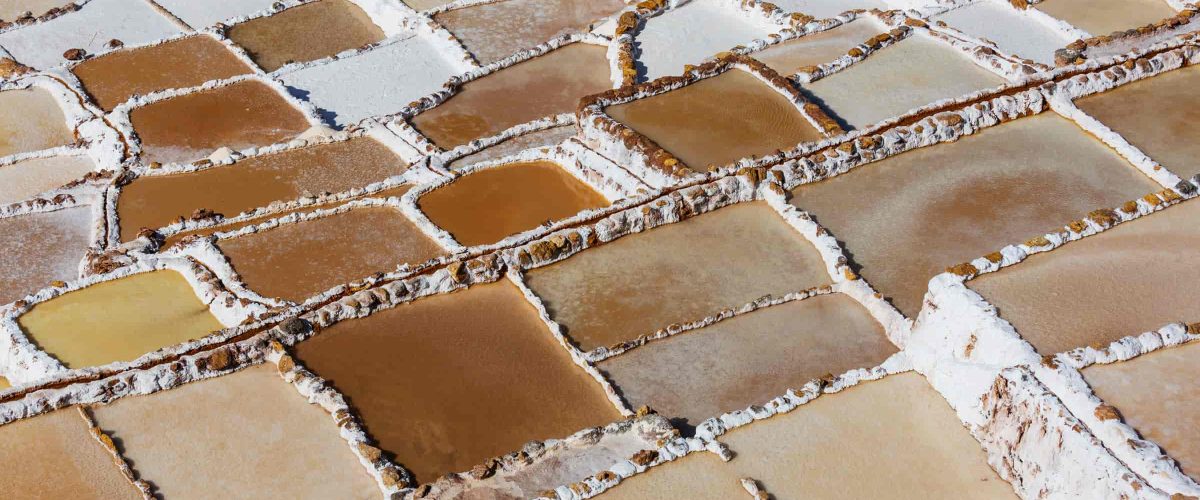
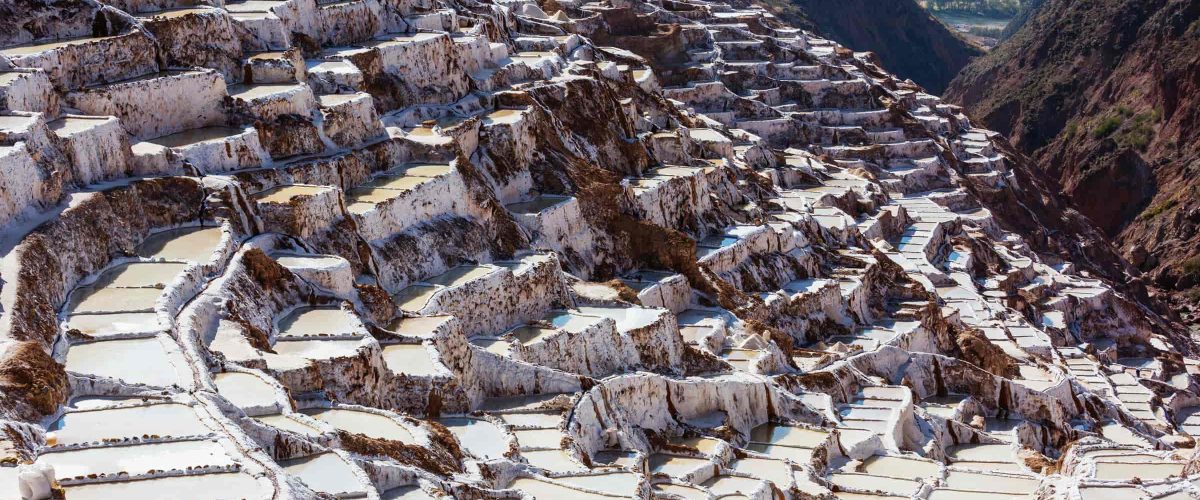
Depart Cusco at 8:00 a.m. to Maras village and Moray terraces. First, Moray, where Incas made microclimates for high-altitude crop testing. Then, Maras town and salt mines, used since Inca times for salt gathering. Afternoon return to Cusco around 2:00 p.m., free for hotel rest or city walk. Our guides, with route experience, detail these Inca sites. Private transportation ours with trained drivers. A team tracks. For adventure, bike or ATV option at extra cost—ask advisor. Overnight in Cusco.
Leave Cusco at 6:00 a.m. for Puno via tourist route with stops. At 8:30 a.m., Andahuaylillas (3,122 meters above sea level). At 11:00 a.m., Raqchi (3,450 meters). At 12:10 p.m., buffet lunch in Sicuani (3,552 meters) with local organic foods. At 2:15 p.m., Abra La Raya (4,335 meters). At 3:30 p.m., Pukara Museum (3,900 meters). Arrive Puno (3,800 meters) at 5:00 p.m., pickup and hotel transfer. Guides explain Andean traditions. Our private transportation with skilled drivers. A representative monitors. Overnight in Puno.
Pickup at 6:40 a.m., to Lake Titicaca port. 30-minute boat to Uros floating islands, special worldwide. Then to Taquile, arrive 11:30 a.m., 40-minute walk to village. Spend 2 hours seeing views, crafts, islander customs rooted in old ways. Lunch there with natural items. Boat back to Puno around 4:30 p.m., free afternoon. Our guides provide full talks in languages. A team watches. Pack for cold: camera, hat, sun block, water. Overnight in Puno.
Breakfast at hotel, then transfer to Juliaca airport for Lima flight, ending the tour. Our private transportation with trained driver.
May through September—the Andean dry season—is when the sky forgets how to cry.
Cusco (3,400 m) + Puno (3,850 m) = lungs doing the cha-cha. 48-hour love plan:
Last week 10-year-old Diego renamed Taquile Island “Pirate Treasure Island” and high-fived a Uros reed boat captain. Kids under 11 → $80 off + free animal stickers. Stairs = playground slides with history lessons. Guides slow the pace to “toddler speed,” hand out gummy bears, and turn every bus ride into karaoke. Nazca flight age 6+; we swap for ground tower + ice-cream bribe.
Whisper “sin carne” or “zero gluten” and the picnic blanket becomes your personal chef:
Think “Insta-stroll,” not marathon.
Turn 9 days into 12 with one click:
PeruRail Vistadome → glass roof, live band, snack box that tastes like childhood. Inca Rail First Class → leather throne, pisco cart, starlight ceiling. Both glide along raging rapids—pick the vibe, we lock the exact seat.
Solo superheroes get the royal treatment:
Our vans have names (meet “Inti”) and feelings.
Andean sprinkle = free face mist. Nazca cloud? We pivot to ground tower + dune-buggy safari, full refund on the flight. Happens once every blue moon—your biggest risk is running out of memory card space.
English flows like the Urubamba on espresso. Last week Luis explained Nazca astronomy in perfect TikTok slang while handing out mate de coca. Need French? German? Korean? Private guides unlock polyglot superheroes.
Forty minutes of mineral-rich bubbly bliss for 10 soles—cheaper than a Cusco cocktail. We stash fluffy towels in the van; you stash your hiking boots and float like a happy otter while Machu Picchu photobombs your selfies.
Money-belt burrito:
One WhatsApp “sunrise ATV + salt-pan picnic” → we stitch it in like a baby-alpaca sweater. $45 pp, zero strangers, 100 % Red-Bull-and-Inca adrenaline.
No mandatory shots, but update tetanus + hep A. Heart flutter? Whisper it when you book → we pair you with the gentlest horse on Taquile. Doctor’s note + our oxygen tank = zero drama, 100 % summit selfies.
Weather Patterns
In Lima, expect mild coastal fog year-round, with temperatures around 60 to 75 degrees Fahrenheit. Cusco and Puno get cold nights, dropping to 30 degrees in winter (June-August), while days hit 60. Nazca stays dry and warm, about 80 degrees. Rain peaks December to March in highlands, making paths slippery. I once got caught in a light shower in Cusco—always pack a poncho.
Year-Round Dressing
Layer clothes: base with t-shirts, add sweaters for evenings. In summer (December-March), light pants and rain jacket. Winter needs wool hats, gloves for Puno chills. Comfortable walking shoes essential everywhere. Avoid heavy coats; locals use alpaca scarves for warmth.
Local People and Customs
People in Cusco and Puno often speak Quechua alongside Spanish, friendly but reserved at first. Greet with a smile. In markets, bargaining is common—start at half price. Islanders in Taquile share weaving traditions; respect by asking before photos. Once, a vendor in Pisac explained her textile patterns, tied to family stories.
Typical Foods
Meals include quinoa soups, fresh trout from Lake Titicaca, and corn-based dishes. In Urubamba, try stuffed rocoto peppers. Organic veggies common. For international, Cusco has pizza spots—extra 10-20 USD. Eat at family-run places for authenticity; avoid raw items if stomach sensitive.
Cheap Eating Spots
In Lima, try ceviche at street stands for 5 USD. Cusco’s San Pedro market offers soups under 3 USD. Puno lakeside vendors sell grilled fish cheaply. Look for set menus (menus del dia) around 4-6 USD in small eateries.
| Location | Cheap Option | Average Cost (USD) | Notes |
| Lima | Ceviche stand | 5 | Fresh seafood, lunch time busy |
| Cusco | Market soup | 3 | Warm, filling; add bread |
| Puno | Grilled trout | 4 | Lake view, simple sides |
| Nazca | Local sandwich | 2 | Quick after flight |
Free Places to Visit
Walk Cusco’s Plaza de Armas for people-watching, no cost. In Lima, Miraflores cliffs offer ocean views. Puno’s lakeside path is open. Huaca Pucllana has free outer looks. Explore Aguas Calientes streets freely.
Physical Effort and Health Needs
The tour involves moderate effort: 2-4 hours walking daily, some stairs at Machu Picchu (up to 200 steps). Altitude over 3,000 meters can cause shortness of breath—about 20% visitors feel it mildly. Fit for most over 12, but heart issues need doctor okay. Hydrate, rest; oxygen at hotels if needed. A friend paced slow on first high day, felt better after.
Effort Comparison
Stats show 80% complete without issues; train and bus reduce strain.
Get Ready to Explore? With your booking confirmed, all that's left to do is pack your bags and get ready to explore. Whether you're a seasoned traveler or embarking on your first journey, we'll be with you every step of the way.At Peru Qantu Adventures, we believe that every journey begins with a single step. So why wait? Start your adventure today and let the world be your guide.
Book fast and easy on our website and keep track of your reservation with our most advanced booking system, be updated on our discounts every week.
Cusco, the ancient capital of the Inca Empire, is one of the most popular destinations for adventure treks in South Amer
Read moreThe Inca Trail is a world-renowned hiking trail that leads to the iconic Machu Picchu in Peru. The trail is a combinatio
Read moreMachu Picchu is a stunning 15th-century Inca ruin located high in the Andes Mountains of Peru. It is considered one of t
Read more