This outing covers several Inca sites in the valley near Cusco. Participants travel through areas with historical structures from the Inca period. The path includes stops at places known for farming techniques and salt production. Local people continue old methods in weaving and resource use.
The day begins early in Cusco and ends there in the evening. Private transportation handles all moves between spots. Guides point out features tied to Andean ways of life. I remember once seeing how colors come from plants during a stop.
Elevation stays around 3000 meters in most parts. This affects breathing for some. Drinking water helps. The group size varies based on shared or private choice.
Peru Qantu Adventures runs this daily with bookings needed ahead. Vehicles belong to the agency for consistent service. Drivers receive regular training on local roads.
Knowledgeable guides speak multiple languages to assist visitors from different countries. They cover details about each location’s past uses. A team member follows the plan closely all day.
Food at lunch uses fresh items from nearby sources. Dishes draw from area produce like corn and potatoes. Alternatives from other cuisines are possible; ask the booking staff about added charges.
The full schedule lasts about 11 to 12 hours. It fits those with limited time who want to see main Inca-related places. Adding small walks at sites gives a closer look.
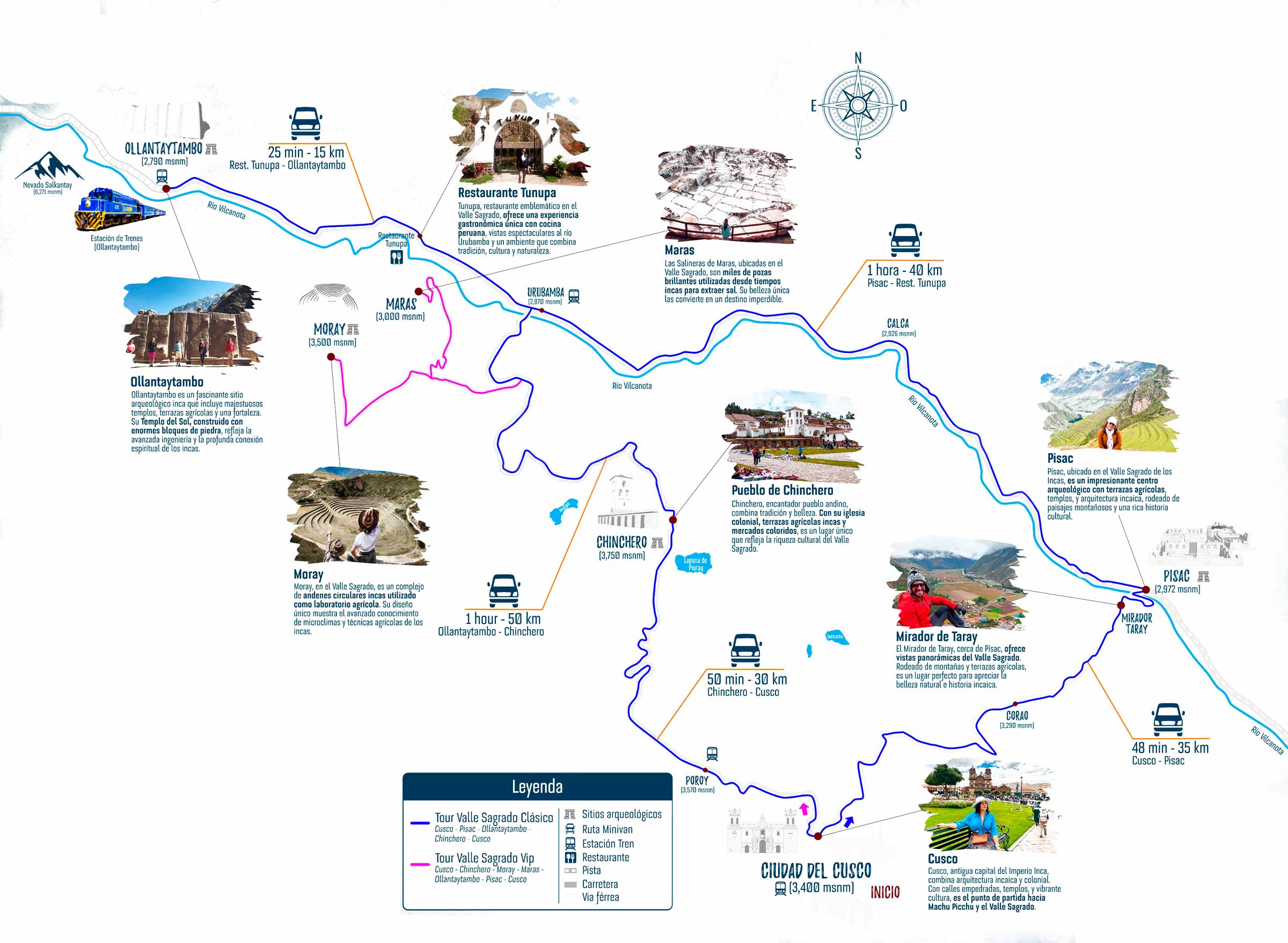
Day 1: Cusco – Pisac – Ollantaytambo – Maras – Moray – Chinchero – Cusco.
Collection happens at about 6:30 a.m. from your lodging in Cusco. Private transportation, owned by Peru Qantu Adventures and operated by trained drivers, heads to Pisac. The guide, experienced in leading global travelers in several languages, starts sharing background on the way.
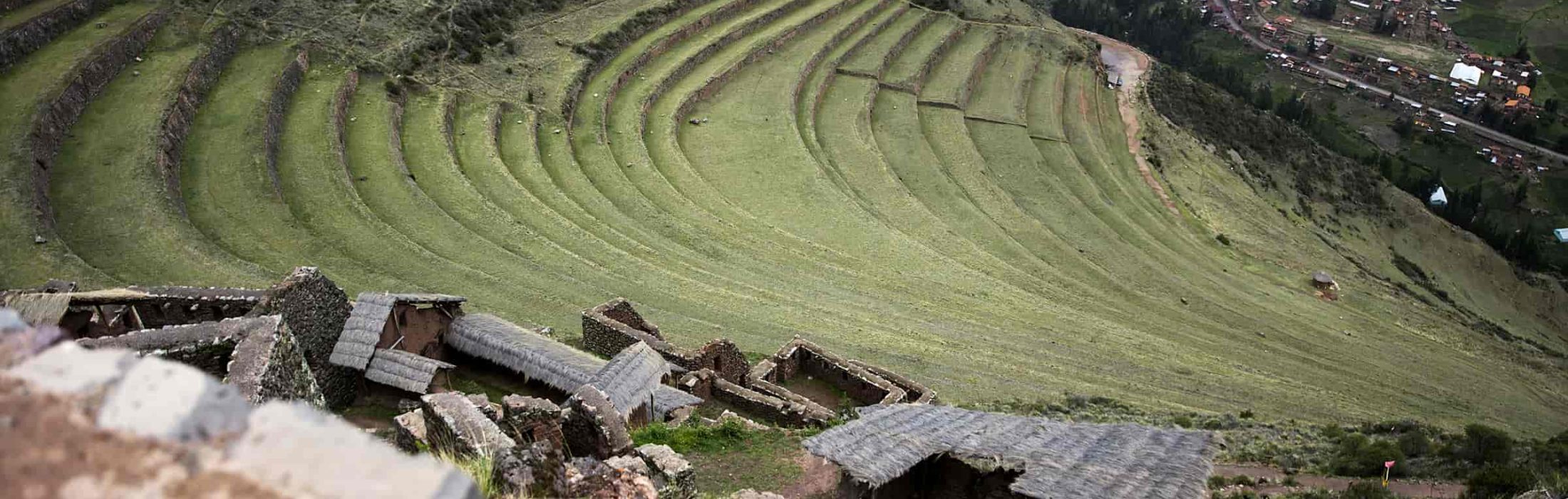
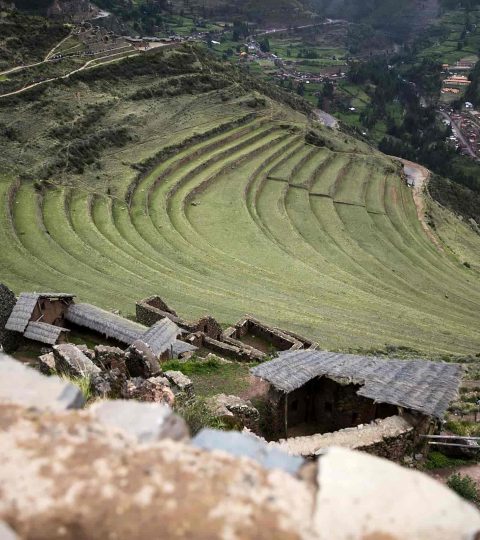
At Pisac around 8:00 a.m., explore the Inca constructions on the hill. These include living areas, burial grounds, and farming platforms. The guide gives a detailed talk on their roles in daily Inca life, based on wide route knowledge.
After the site, descend to the lower part of Pisac by 9:00 a.m. There, observe local metalwork tied to Andean traditions. Time allows viewing how artisans shape items from silver and other materials.
By 9:30 a.m., the group moves to Ollantaytambo. Arrival is near 10:30 a.m. See large stone blocks, some 45 tons, from pink rock. Guides explain water systems, rest areas, and religious spaces, highlighting Inca building methods.
The site relates to a story of an Inca leader and a princess. Exploration lasts about an hour. Then, at 11:30 a.m., travel to Urubamba for lunch.
In Urubamba around 12:00 p.m., enjoy a buffet with dishes from local organic sources like tubers and grains. International options exist; check with reservations for extra costs. This break refreshes for the afternoon.
Post-lunch at 1:00 p.m., proceed to Maras salt mines. Reach there by 1:30 p.m. Observe nearly 3800 pools fed by salty springs from the hill. The guide describes extraction processes, adding to understanding of Andean resource use.
Viewing takes an hour. Next, at 2:30 p.m., head to Moray. Arrival is about 3:00 p.m. Inspect the round Inca terraces used for testing crops like maize and potatoes. Guides detail adaptation techniques for different plants.
The area shows mountain views once seen as protectors in Inca beliefs. After an hour, move to Chinchero by 4:00 p.m.
In Chinchero at 4:30 p.m., see a church over Inca foundations and sacred spots. Visit a weaving center to watch color making from plants for llama or alpaca wool, passed down through families.
The guide provides thorough insights on cultural overlaps. By 5:30 p.m., return to Cusco, arriving near 7:00 p.m. A Peru Qantu Adventures representative tracks the day throughout.
You step up to the wooden booth and the ticket lady smiles like she’s been waiting for you. Foreigners hand over 70 soles for the partial boleto turístico plus 20 for Maras—exact change, small bills, no cards, no drama. Peruvians flash ID and pay 40 + 20. Kids under 10? She waves them through with a wink and a “gratis, pequeño explorador.” Pocket 100 soles in 10s and 20s the night before and you’ll glide through every gate like royalty.
The buffet table looks like the Andes threw a party and invited every vegetable. Golden quinoa mountains, roasted olluco jewels, purple potato towers, and a salad bar that could star in a food magazine. Tell us “sin carne” when you book and the chef crowns your plate with extra grilled hearts of palm. Craving Caesar salad at 3,500 m? $8 extra and it appears like magic.
The sky opens, the ponchos deploy, and suddenly you’re in a National Geographic shoot. Rain turns the salt pans into mirrors and makes the Pisac terraces glow emerald. Guides slow the pace, hand you a walking pole, and turn every puddle into a photography lesson. Thunder? We duck into a covered Inca hallway for hot coca tea and stories—zero sites skipped, 100 % memories upgraded.
Last week 8-year-old Mateo high-fived a llama and declared himself “Inca Superman.” Kids under 10 enter free, under 11 pay half, and every guide keeps a secret stash of animal stickers. Parents hold tiny hands on the uneven steps; we hold the rest—snacks, stories, and zero boredom.
Think “stroll with a view,” not marathon. Two leisurely hours total—15 minutes across Pisac’s silver plaza, 20 minutes wandering Chinchero’s rainbow textiles, 25 minutes tracing Maras’ salty rivers. Sneakers or comfy sandals are your chariot; guides pause every 50 meters for “photo breaks” that secretly double as oxygen breaks.
Your guide rolls up quoting Shakespeare in one breath and Quechua harvest songs in the next. Every English word lands crystal-clear, every Inca legend sparkles with humor. Need French? German? Portuguese? Private tours unlock polyglot superheroes who once explained terrace irrigation in flawless Swedish.
Ten to twenty new best friends—big enough for laughter, small enough that the guide still remembers your dog’s name. You’ll swap Instagram handles over quinoa and arrive back in Cusco with a group chat already planning the reunion. Want the van to yourself? Private starts at two people and feels like your personal Netflix special.
Pisac’s market explodes in color—baby-alpaca scarves softer than clouds, silver earrings shaped like Inca chakanas, handmade ceramic flutes that actually play. Chinchero ladies demonstrate backstrap looms while you sip free chicha. Stuff 200 soles in small bills into your pocket and you’ll leave with Christmas presents for the next three years.
Cusco sits at 3,400 m; our highest stop kisses 3,700 m—basically the difference between “I’m fine” and “wow, oxygen is thin.” Land 48 hours early, drink water like it’s your job, and chew coca candies like gummy bears. Guides carry a pharmacy in their backpack and spot wobbly knees before you do.
A gleaming Mercedes Sprinter that smells like new leather and possibility. Reclining seats, panoramic windows, USB ports, and a driver who navigates hairpin turns like he’s playing Mario Kart. No crowded public buses, no mysterious stops—just air-conditioned bliss between wow moments.
Click “reserve” two days early and sleep like a baby. High season? Two weeks. We cap groups at 20, so the best vans vanish faster than morning mist over the terraces. Secure your spot tonight and we’ll text you a llama emoji promise.
Cameras are not just allowed—they’re encouraged. Flash off inside Moray’s sun temple, but everywhere else go wild. Guides become human tripods, whispering “turn 30 degrees left for the golden hour shot.” Just promise not to climb the walls—Inca stones have feelings too.
Tell us “gluten-free,” “nut allergy,” or “only eats purple food” and the buffet morphs before your eyes. Quinoa sushi rolls appear, potato pizzas materialize, and the chef bows like you’re royalty. Want pad thai in the Andes? $10 extra and it’s yours.
Forty-five to sixty glorious minutes per wonder—enough time to circle Moray’s cosmic circles twice, pose with twenty llamas in Pisac, and watch salt evaporate in Maras like slow-motion magic. Guides time it so you’re never rushed, never bored, and always hungry for the next stop.
Private service = your wish, our command. Add a sunrise hot-air balloon over Pisac? Done. Skip the market for extra terrace time? Done. Want a surprise proposal at Chinchero’s church? We’ve hidden rings in quinoa bowls before. One WhatsApp message and the Sacred Valley becomes your personal playground.
Climate Conditions
Mornings start cool at 5 degrees Celsius, warming to 20 by afternoon. Dry season from May to October brings clear skies but cold nights. I recall shivering at a site once without a jacket in July.
Dressing Throughout the Year
Layer with long sleeves and pants always. In wet months (November to April), add waterproof layers. Boots for mud in rain; lighter shoes otherwise. Hats and scarves for wind year-round.
People in the Area
Locals speak Spanish and Quechua, often in woven outfits. They farm and weave, sharing stories if approached politely. During a visit, a weaver explained dye sources over tea, showing community warmth.
Common Foods
Eat quinoa soups, potato varieties, and corn-based items fresh from fields. Meats like alpaca appear grilled. Portions fill you; flavors come from herbs. For variety, some spots mix in rice dishes.
Places to Eat Cheaply
In Urubamba markets, get stew for 10 soles. Pisac vendors offer bread and cheese under 5 soles. Skip fancy eateries; ask guides for family places with daily specials around 15 soles.
Spots to See for Free
Stroll Cusco streets before tours. Valley riverbanks allow views without tickets. Local plazas in towns like Chinchero host markets at no cost on certain days.
Effort Level and Health Needs
Walking totals 3 kilometers on slopes, moderate for most. Heart or lung conditions need doctor approval; 20% report mild dizziness at height. Pace yourself, use coca leaves if offered. Anecdote: Forgot sunscreen once, got burned quickly at midday.
| Month | Avg Temp (°C) | Rain (mm) | Advice |
| Jan | 12 | 150 | Waterproof gear essential. |
| May | 15 | 10 | Layers for cool starts. |
| Aug | 16 | 5 | Sun protection key. |
| Nov | 14 | 80 | Mix of rain and sun prep. |
Comparatively, effort matches a light hike; stats show 90% complete without issues if acclimatized.
Important
Get Ready to Explore? With your booking confirmed, all that's left to do is pack your bags and get ready to explore. Whether you're a seasoned traveler or embarking on your first journey, we'll be with you every step of the way.At Peru Qantu Adventures, we believe that every journey begins with a single step. So why wait? Start your adventure today and let the world be your guide.
Book fast and easy on our website and keep track of your reservation with our most advanced booking system, be updated on our discounts every week.
Cusco, the ancient capital of the Inca Empire, is one of the most popular destinations for adventure treks in South Amer
Read moreThe Inca Trail is a world-renowned hiking trail that leads to the iconic Machu Picchu in Peru. The trail is a combinatio
Read moreMachu Picchu is a stunning 15th-century Inca ruin located high in the Andes Mountains of Peru. It is considered one of t
Read more